

How Traveling to Thailand Changed the Way I Cook Forever
Ever wondered how a single trip could completely transform your cooking? A stint in Thailand did just that for me, turning my kitchen into a vibrant hub of bold flavours and fresh ingredients. Before landing in Bangkok I’d barely touched fish sauce or lemongrass. But after weeks of street food feasts and market wanderings there was no going back.
Thai cuisine isn’t just about heat, it’s a balance of sweet sour salty and umami that hooks you fast. And once you start cooking that way? Good luck settling for bland again. This isn’t just about recipes though. It’s how travel rewires your approach to food, making you bolder with spices more adventurous with textures and way less fussy about perfection. Ready to see how a taste of Thailand can shake up your cooking game? Let’s immerse.
Discovering Thai Cuisine for the First Time
Your first encounter with Thai cuisine isn’t just a meal, it’s a sensory explosion. From bustling street markets to fragrant spice stalls, Thailand’s food culture redefines how you perceive flavour.
The Vibrant Street Food Culture
Bangkok’s street food scene serves over 20,000 vendors daily, each offering dishes packed with bold flavours. You’ll spot sizzling woks tossing pad Thai, smoky grills charring satay skewers, and steaming pots brewing tom yum soup. The chaos is intoxicating, vendors shout orders, chilli fumes sting your eyes, and the aroma of coconut milk lingers.
Street food isn’t just convenient; it’s a way of life. Locals eat on the go, balancing bowls of khao soi while dodging motorbikes. You quickly learn that the best meals come from unassuming carts, where recipes pass through generations. One bite of crispy pork belly or tangy som tam, and you’re hooked.
Unforgettable Flavors and Ingredients
Thai cuisine hinges on four core tastes: sweet (like palm sugar), sour (think tamarind), salty (fish sauce), and spicy (bird’s eye chillies). Ingredients like galangal, kaffir lime leaves, and lemongrass form the backbone of dishes, infusing them with citrusy, herbal depth.
You’ll notice how balance defines every dish. Green curry blends creamy coconut with fiery chillies, while mango sticky rice contrasts ripe fruit with salty-sweet glaze. Even staples like jasmine rice carry subtle fragrance, elevating simple meals. Once you taste these flavours, bland cooking feels unimaginable.
Key Thai Cooking Techniques I Learned
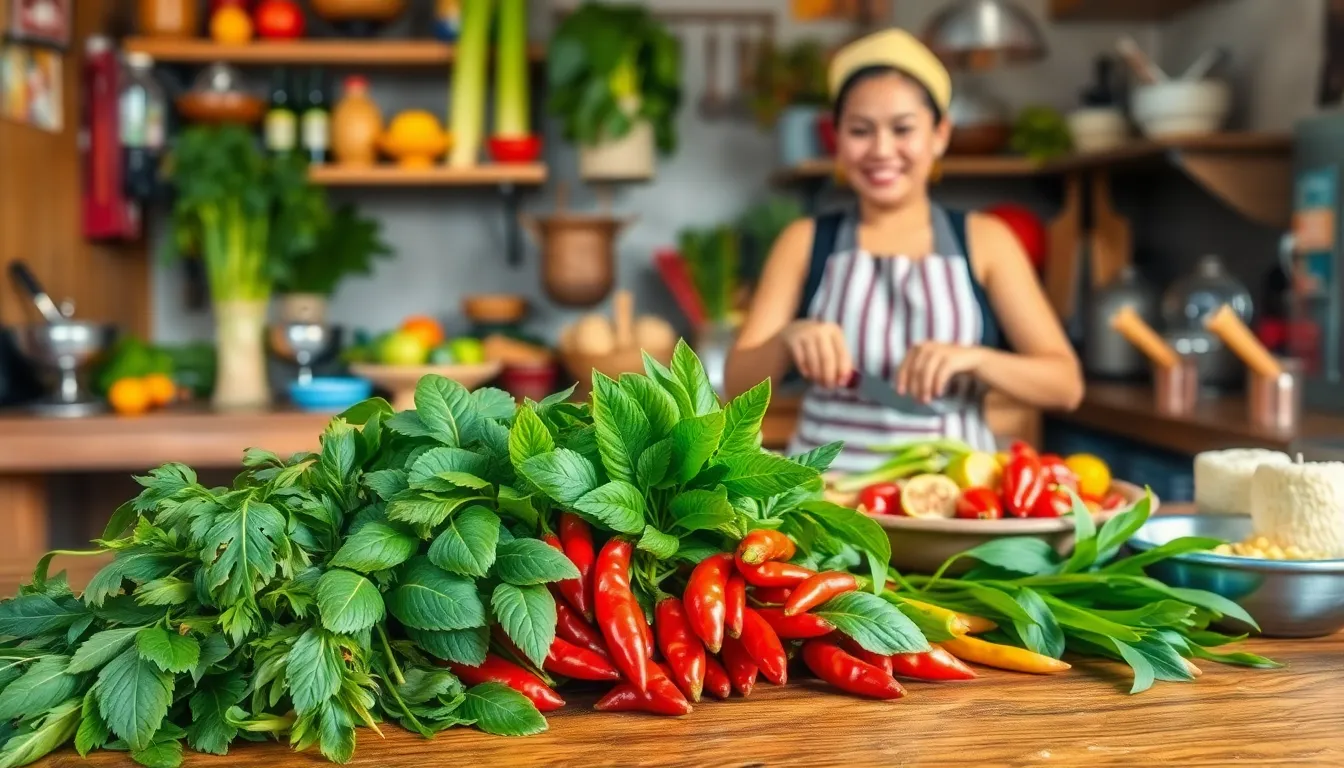
Thai cuisine transformed my cooking by teaching me techniques that elevate flavours beyond the ordinary. From balancing tastes to using fresh ingredients, here’s what changed my kitchen game forever.
Mastering the Art of Balance
Thai cooking revolves around balancing five core flavours: sweet, sour, salty, bitter, and umami. Dishes like tom yum soup or green curry achieve harmony by layering ingredients like palm sugar (sweet), lime juice (sour), fish sauce (salty), bitter herbs like Thai basil, and umami-rich shrimp paste.
The secret lies in adjusting proportions, never letting one flavour dominate. For example, pad Thai combines tamarind’s tang with palm sugar’s sweetness, while fish sauce adds depth. Taste as you cook, tweaking until the balance feels just right. It’s a skill that turns good dishes into unforgettable ones.
The Magic of Fresh Herbs and Spices
Freshness is non-negotiable in Thai cooking. Herbs like lemongrass, kaffir lime leaves, and coriander add brightness, while spices like galangal and bird’s eye chillies bring heat and complexity. Unlike dried alternatives, fresh ingredients release vibrant aromas that define dishes like tom kha gai or larb.
Street vendors use herbs minutes after picking them, ensuring maximum flavour. Try bruising lemongrass before adding it to soups, it releases citrusy oils that infuse the broth. Or tear kaffir lime leaves instead of chopping them to preserve their fragrant punch. Once you cook with fresh herbs, there’s no going back.
Adapting Thai Recipes at Home
Bringing Thai flavours into your kitchen doesn’t require a plane ticket, just a few smart swaps and techniques. Whether sourcing ingredients or simplifying dishes, you’ll find Thai cooking adaptable and rewarding.
Sourcing Authentic Ingredients
Finding authentic Thai ingredients outside Thailand is easier than you think. Major UK supermarkets stock staples like fish sauce, coconut milk, and jasmine rice, while Asian grocery stores offer niche items like galangal and shrimp paste. Online retailers like Sous Chef and Thai Food Online deliver fresh kaffir lime leaves and bird’s eye chillies nationwide. You can also learn more about Thai cooking at Ecole Ducasse Nai Lert Bangkok Studio.
Key ingredients to prioritise:
Substitutes work in a pinch, lime zest replaces kaffir lime leaves, and ginger mimics galangal’s warmth.
Simplifying Traditional Dishes
Thai cooking thrives on balance, but complex recipes can intimidate beginners. Start with classics like pad Thai or green curry, simplifying steps without sacrificing flavour. Use pre-made curry pastes if time’s short, or blend your own in bulk and freeze it.
Quick tips for streamlined cooking:
Even simplified, these dishes pack the vibrant flavours that make Thai cuisine unforgettable.
How Thai Cooking Influenced My Daily Meals
After returning from Thailand, your kitchen transforms into a vibrant hub of bold flavours and fresh ingredients. Thai cooking reshapes meal prep, making every dish an adventure.
Incorporating Bold Flavors
Thai cuisine thrives on balancing five core flavours, sweet, sour, salty, bitter, and umami. You start using fish sauce instead of salt, tamarind paste for tang, and palm sugar for caramel-like sweetness. A single dish like green curry combines creamy coconut milk, fiery bird’s eye chillies, and aromatic kaffir lime leaves.
Once you taste the depth of these flavours, bland meals feel uninspired.
Experimenting With New Ingredients
Thai markets introduce ingredients like galangal, lemongrass, and shrimp paste, staples you now keep stocked. Over 80% of Thai dishes use fresh herbs, so you grow basil, coriander, and mint on your windowsill.
Even if you can’t find makrut limes, lime zest works as a substitute. The key? Adapt without sacrificing authenticity.
The Lasting Impact on My Culinary Journey
Thai cooking reshaped your approach to food, turning every meal into an adventure. The experience didn’t just add new recipes, it rewired your entire culinary mindset.
A Broader Perspective on Food
Thai cuisine teaches you that food isn’t just sustenance, it’s an experience. The balance of sweet, sour, salty, bitter, and umami in dishes like tom yum soup or green curry makes you rethink flavour combinations. You start noticing how Western dishes often rely on just salt and fat, missing the complexity of Thai cooking.
Street markets in Bangkok, with over 20,000 vendors, show how food connects people. You see locals eating on plastic stools, sharing meals from the same cart. This communal approach changes how you view mealtimes, less rigid, more spontaneous. Suddenly, a simple stir-fry at home feels richer when you focus on texture, aroma, and presentation.
Embracing Global Cuisines
Once you master Thai techniques, other cuisines become less intimidating. You realise galangal and lemongrass aren’t just Thai ingredients, they’re used in Indonesian, Malaysian, and Vietnamese cooking too. Your spice drawer grows, stocked with turmeric, cumin, and star anise, ready for global experiments.
You start blending influences, adding fish sauce to Italian pasta or tamarind to Mexican salsas. The UK’s multicultural food scene makes it easy, with Asian grocery stores stocking everything from gochujang to harissa. Suddenly, fusion isn’t a trend, it’s your new normal.
Conclusion
Your trip to Thailand doesn’t just stay in your memories, it reshapes your kitchen. The bold flavours and fresh ingredients become part of your everyday cooking turning even simple meals into vibrant experiences.
You’ll find yourself reaching for fish sauce instead of salt or adding a squeeze of lime for brightness. Thai cuisine teaches you that food isn’t just about filling up, it’s about balancing flavours and embracing spontaneity.
Once you’ve tasted the magic of Thai cooking there’s no going back.